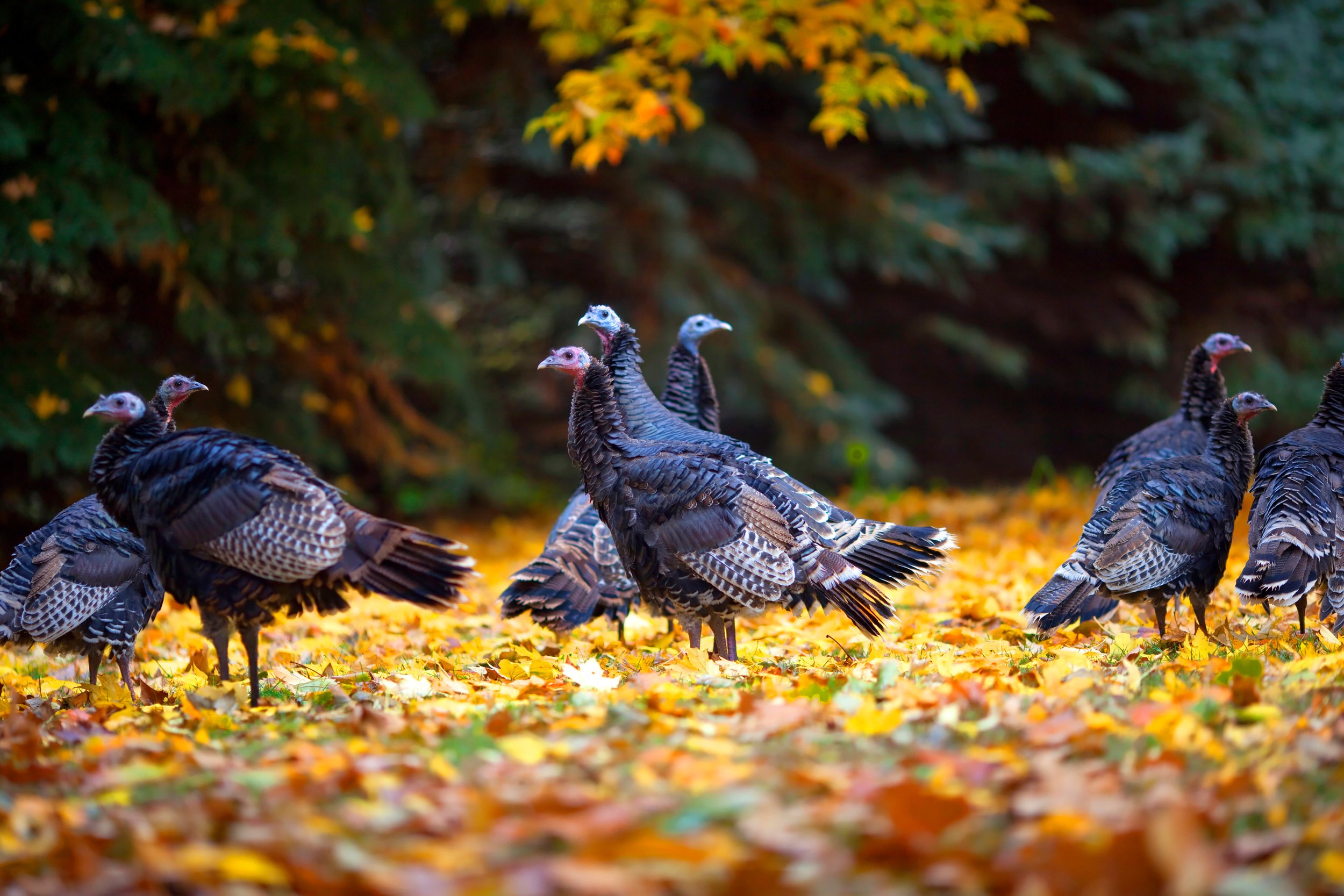
As spring rolls in, it’s not just blooming flowers and warming weather that mark the season — it’s also the sound of gobbles echoing through the woods. Wild turkey hunting season is a highly anticipated time for hunters across the country, but have you ever wondered how hunter presence actually affects the behavior and vocal patterns of these sharp-witted birds?
Let’s take a closer look at why turkey toms gobble — and why that might change when the woods get crowded with camo.
The Science Behind the Gobble
ale turkeys, or toms, gobble for one primary reason: to attract hens. It’s their way of saying, “I’m here, I’m strong, and I’m ready.” During the breeding season, which coincides with spring hunting season in many states, gobbling activity usually peaks. Toms will also gobble in response to crows, owls, thunder, and even other gobbles — it’s a high-stakes competition for attention.
But gobbling isn’t just a romantic call. It also inadvertently gives away a tom’s location, making it easier for hunters to locate them. This is where the game changes.
Pressure in the Woods: How Hunting Affects Gobbling
When the hunting season begins, turkey behavior doesn’t stay the same. Increased human presence in the woods — whether it’s calling, walking, or setting up decoys — can significantly impact how much toms vocalize.
Studies and field reports from seasoned hunters show a clear trend: turkeys become more cautious and gobble less frequently in areas with heavy hunting pressure. Here’s why:
- Survival Instincts Kick In: Toms that gobble too much or too often often get harvested early. The survivors are usually quieter, more experienced birds that have learned to be wary.
- Caller Saturation: With hunters mimicking hen calls all around, some toms may grow skeptical of responding to what might be a trap rather than a real mate.
- Roost Relocation: Hunting pressure can cause turkeys to change their roosting and travel patterns, avoiding areas with frequent human activity.
In short, the more pressure turkeys feel, the quieter and more elusive they become.
The Early Bird Gets the Gobble
f you’re a hunter hoping to catch that gobble-filled dawn chorus, the first few days of the season are typically your best bet. Toms are still vocal, actively searching for hens, and haven’t yet felt the full brunt of human interference. As the season wears on, gobbling tends to taper off, especially in high-traffic public lands.
What Hunters Can Do
Understanding how your presence affects turkey behavior can lead to more ethical and successful hunts:
- Practice Stealth: Move quietly, limit excessive calling, and be patient. Sometimes less is more.
- Scout Early: Find roost sites and travel corridors before the season opens to avoid unnecessary pressure.
- Give Them a Break: If you notice turkeys going silent in a specific area, consider giving it a rest for a few days. Let the birds regain confidence in their environment.
Final Thoughts
Gobbling is one of the most thrilling parts of turkey hunting — it connects you to nature in a raw and visceral way. But with each step you take into the woods, you’re shaping the behavior of the very creatures you’re pursuing. Whether you’re a seasoned hunter or a newcomer, understanding how hunting pressure affects turkey toms can make you a more responsible and effective outdoorsman.
After all, in the turkey woods, silence isn’t always golden — sometimes it’s just a sign they’ve been paying attention.
Leave a Reply